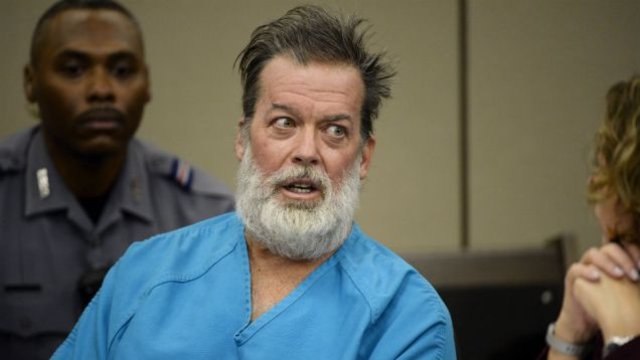
Political Violence Is Unacceptable
A repost from my Facebook. 140 characters was not even close. Sorry Twitter.

Breaking
• Views: 3,435
 Pages
Pages


 A Water War Is Brewing Between the U.S. And Mexico. Here’s Why A water dispute between the United States and Mexico that goes back decades is turning increasingly urgent in Texas communities that rely on the Rio Grande. Their leaders are now demanding the Mexican government either share water or face ...
 Cheechako
 Harper’s Magazine: Slippery Slope - How Private Equity Shapes a Ski Town …Big Sky stands apart for other reasons. The obvious distinction is the Yellowstone Club, a private resort hidden in the mountains above the community that Justin Farrell, a professor of sociology at Yale and the author of Billionaire Wilderness, ...
 teleskiguy
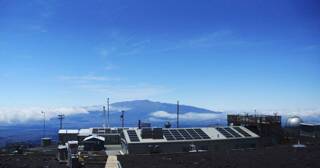 Hawaii’s Mauna Loa Observatory Just Captured Ominous Signals About the Planet’s Health Hawaii’s Mauna Loa Observatory just captured an ominous sign about the pace of global warming. Atmospheric levels of planet-warming carbon dioxide aren’t just on their way to yet another record high this year - they’re rising faster than ever, ... Cheechako
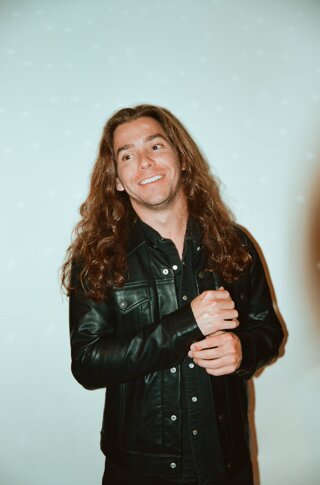 One to Watch: DIY Artist Notice Reveals Stellar Album Chapter One: Dreamer Notice, the brainchild of Brandon Bruce, emerges from the Nashville, Tennessee, rock/alternative scene with the release of his debut album, Chapter One: Dreamer. Brandon performed all the instruments himself while additionally producing and engineering the entire record. Brandon's meticulous ...
 Pips
Pips LGF Articles Feed